

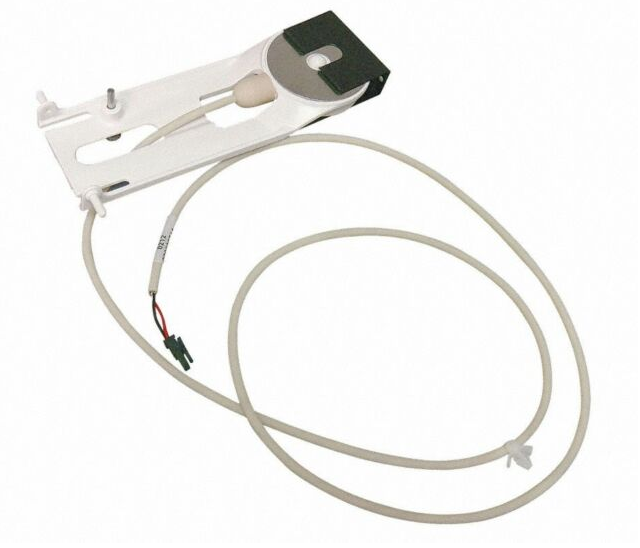


Manitowoc Indigo series – Ice thickness sensor 040001273

Original price was: R2,950.00.R2,450.00Current price is: R2,450.00.
“Ensure perfect ice quality with our Manitowoc Ice Thickness Sensor. This essential component accurately measures ice thickness, ensuring consistent performance and optimal efficiency. Easy to install and compatible with a range of Manitowoc ice machines.”
Price includes free shipping nation wide. (Southern Africa) Online only
Compatible for all indigo models ID/IY/IR
**What’s in the Box:**
– 1 x Manitowoc Ice Thickness Sensor
**Packaged Size:**
– Dimensions: 20 cm x 10 cm x 10 cm (L x W x H)
– Weight: 0.5 kg
The Manitowoc Ice Thickness Probe is a crucial component designed to ensure your ice machine produces ice of the perfect thickness every time. This high-quality probe is engineered to measure the thickness of ice on the evaporator plate accurately, thereby ensuring optimal ice production and energy efficiency.
Crafted with durability and precision in mind, the Manitowoc Ice Thickness Probe features a stainless steel sensor and robust construction that can withstand the demanding conditions of commercial ice production. The probe works by detecting the level of ice build-up and sending signals to the control board to adjust the ice-making cycle accordingly. This process prevents the formation of overly thick ice, which can hinder machine efficiency and lead to increased energy consumption.
The probe is easy to install and compatible with a the indigo range of Manitowoc ice machines, making it an essential part for maintaining the machine’s performance and extending its lifespan. By ensuring consistent ice thickness, the probe helps to maintain the quality and clarity of the ice produced, which is vital for businesses that rely on high-quality ice for beverages and presentations.
In addition to its functional benefits, the Manitowoc Ice Thickness Probe is backed by the brand’s commitment to excellence and customer satisfaction. It comes with detailed installation instructions and is supported by a team of experts ready to assist with any technical questions or issues. Investing in a genuine Manitowoc Ice Thickness Probe ensures that your ice machine operates at peak efficiency, delivering consistent results that meet your business’s needs.
An ice thickness sensor, also known as an ice thickness probe, is critical for ensuring that an ice machine produces ice at the correct thickness. When this sensor begins to fail or malfunction, it can lead to a variety of issues. Here are some technical signs and symptoms indicating that an ice thickness sensor may need replacement:
1. **Inconsistent Ice Thickness:**
– The primary function of the ice thickness sensor is to regulate the thickness of the ice. If the ice produced by the machine is consistently too thick or too thin, it may indicate that the sensor is not functioning correctly.
2. **Ice Machine Cycling Issues:**
– If the ice machine cycles on and off irregularly or does not complete a full cycle, this could be a sign that the sensor is not accurately detecting ice thickness. This can result in incomplete ice harvests or excessive freeze cycles.
3. **Continuous Operation:**
– A faulty sensor might fail to detect when the ice reaches the desired thickness, causing the machine to continue running unnecessarily. This can lead to overproduction of ice or the machine running continuously, which increases wear and energy consumption.
4. **Error Codes or Alarms:**
– Many modern ice machines are equipped with diagnostic systems that display error codes or trigger alarms when a component is not working properly. An error code related to the ice thickness sensor or ice level sensing system can indicate a malfunction.
5. **Physical Damage:**
– Inspect the sensor for any visible damage, such as corrosion, bending, or breakage. Physical damage can impair the sensor’s ability to accurately measure ice thickness.
6. **Delayed Response:**
– If there is a noticeable delay in the machine’s response to changes in ice thickness, the sensor may be lagging. This can cause the machine to stop or start cycles at inappropriate times.
7. **Frequent Sensor Cleanings Needed:**
– If the sensor requires cleaning more often than usual or if there is a buildup of minerals or ice on the sensor, it may not be functioning correctly. While some buildup can be normal, excessive buildup can indicate a failing sensor.
**Diagnosis and Replacement:**
If any of these symptoms are observed, it’s important to conduct a thorough inspection of the ice thickness sensor. Ensure the sensor is clean, correctly positioned, and connected securely. If issues persist after troubleshooting, it is likely that the sensor needs to be replaced. Always consult the ice machine’s manual or a qualified technician for specific diagnostic procedures and replacement steps, as improper handling can lead to further damage or operational issues.
Related products


Manitowoc Spare Parts

Manitowoc Spare Parts

Manitowoc Spare Parts
Manitowoc Spare Parts